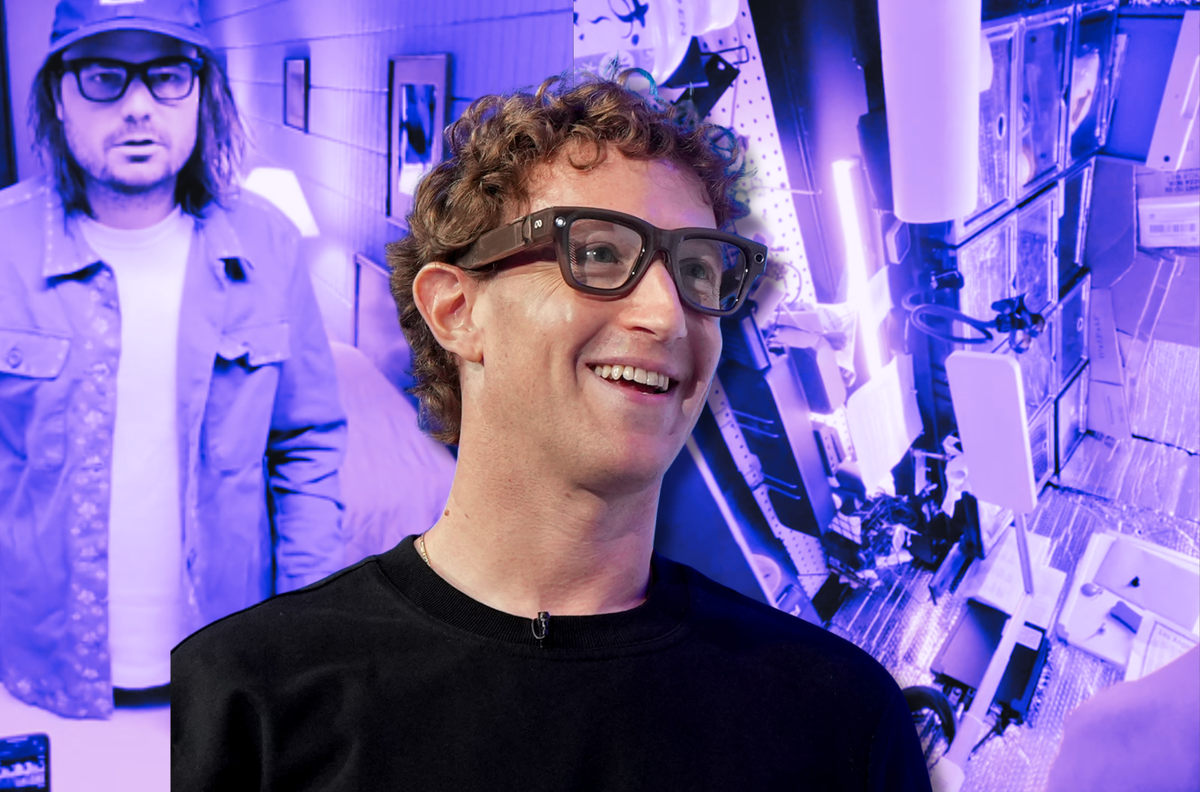
Meta’s Ray-Ban glasses usually include an LED that lights up when the user is recording other people. One hobbyist is charging a small fee to disable that light, and has a growing list of customers around the country.
HoloLens is still a thing but for enterprise customers. Google Glass failed because it had no actual backing functionality - which isn’t an issue today as local translation and TTS/STT engines are good enough for real time translation.
Vision Pro was hardly a failure, and VR in general is still going strong.
This compared to all those devices is a simple camera, microphone and speakers in a pair of glasses. inexpensive at that. And it’s already quite widespread…
They’ve sold, in total, about 500k. It led to Apple effectively ending development for the device. By all accounts, it was a complete failure. With the price tag, it’s no wonder.
HoloLens was originally marketed to consumers along with what they called Windows Holographic, basically exactly what the Vision Pro tried to do a few years later. It’s been put on the shelf along with the original Surface (not to be confused with the unrelated Surface line of computers) which while yes is still a product line too it was also never the success they wanted it to be.
Google Glass connected to your phone the same way Meta’s do so I’m not sure what you mean by no backing.
Vision Pro is absolutely a failure, that’s why they’ve yet to release its sequel and canceled the other two versions. Vision Pro is not a VR headset it’s a spatial computing platform like HoloLens.
3D TVs were widespread too, they aren’t anymore. Just because something gets a killer feature doesn’t mean people will want it.
HoloLens was indeed marketed to consumers first. It failed (primarily because of pricing), and Microsoft shopped it around to enterprise clients, with MS releasing an updated version in 2019. You’re right that it was recently discontinued though.
With Google Glasses the primary use was supposed to be wearable computing. Not sure if you recall 2014, but back then, wearable tech was super limited in performance, and so were the phones it connected to… no chance of real time translation or even just subtitles… Which is, again, one of the main features today’s wearables target, beyond recording. Not to mention that the camera quality on the GG was ass. Useful for some minimal computer vision tasks but that’s it.
The Vision Pro literally got an upgrade, but in the ~3 years of its existence, wearable tech is going a different way, and Apple is going towards that (actual glass AR instead of headset), using the original AVP as a basis.
You know what else people said is going to be a fad?


HoloLens is still a thing but for enterprise customers. Google Glass failed because it had no actual backing functionality - which isn’t an issue today as local translation and TTS/STT engines are good enough for real time translation.
Vision Pro was hardly a failure, and VR in general is still going strong.
This compared to all those devices is a simple camera, microphone and speakers in a pair of glasses. inexpensive at that. And it’s already quite widespread…
They’ve sold, in total, about 500k. It led to Apple effectively ending development for the device. By all accounts, it was a complete failure. With the price tag, it’s no wonder.
HoloLens was originally marketed to consumers along with what they called Windows Holographic, basically exactly what the Vision Pro tried to do a few years later. It’s been put on the shelf along with the original Surface (not to be confused with the unrelated Surface line of computers) which while yes is still a product line too it was also never the success they wanted it to be.
Google Glass connected to your phone the same way Meta’s do so I’m not sure what you mean by no backing.
Vision Pro is absolutely a failure, that’s why they’ve yet to release its sequel and canceled the other two versions. Vision Pro is not a VR headset it’s a spatial computing platform like HoloLens.
3D TVs were widespread too, they aren’t anymore. Just because something gets a killer feature doesn’t mean people will want it.
HoloLens was indeed marketed to consumers first. It failed (primarily because of pricing), and Microsoft shopped it around to enterprise clients, with MS releasing an updated version in 2019. You’re right that it was recently discontinued though.
With Google Glasses the primary use was supposed to be wearable computing. Not sure if you recall 2014, but back then, wearable tech was super limited in performance, and so were the phones it connected to… no chance of real time translation or even just subtitles… Which is, again, one of the main features today’s wearables target, beyond recording. Not to mention that the camera quality on the GG was ass. Useful for some minimal computer vision tasks but that’s it.
The Vision Pro literally got an upgrade, but in the ~3 years of its existence, wearable tech is going a different way, and Apple is going towards that (actual glass AR instead of headset), using the original AVP as a basis.
You know what else people said is going to be a fad?