

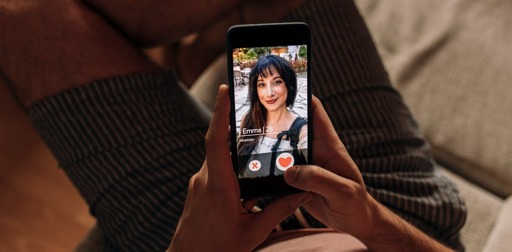
In the weeks leading up to Valentine’s Day, dating apps typically see a spike in new users and activity. More profiles are created, more messages sent, more swipes logged.
Dating platforms market themselves as modern technological solutions to loneliness, right at your fingertips. And yet, for many people, the day meant to celebrate romantic connection feels lonelier than ever.
This, rather than a personal failure or the reality of modern romance, is the outcome of how dating apps are designed and of the economic logic that governs them.
These digital tools aren’t simply interfaces that facilitate connection. The ease and expansiveness of online dating have commodified social bonds, eroded meaningful interactions and created a type of dating throw-away culture, encouraging a sense of disposability and distorting decision-making.
Removed by mod
This isn’t especially true. Maybe Feeld and Tinder are less “serious”, but the idea of dating apps is mainstream enough that you find all sorts of people and goals.
The capitalism and for-profit nature does make them all kind of suck, though
Removed by mod
Thinking about my friend group, about half the people met their long term partners on dating apps. The other half is a mix of work and large social groups (eg: people who all go to certain kinds of music festivals)
I guess it varies by age and region.
https://www.pewresearch.org/short-reads/2020/08/20/key-takeaways-on-americans-views-of-and-experiences-with-dating-and-relationships/
Some other sources I’m seeing say it’s as high as 60% of couples met online.
Removed by mod