There is a lot of research on this. Exposure to this level of infrasound has negative effects on anxiety, the ability to sleep, and even cardiac function. Those who experience the level exposure associated with living close by to these datacenters can start to experience negative effects on their hearts ability to contract properly after as little as one hour. Take into account these people are exposed to this every hour, hour after hour, for years if not the rest of their natural lives.
I don’t recall being asked to. The question was “Is there any research on this?” And I answered the question lol.
Now that you’ve been made aware of the research done on this you can go look it up. Just Google “Infrasound NIH” and I’m sure you’ll figure it out from there.
The Environmental and Energy Study Institute (EESI), a non-profit organization, said that high- and low-frequency sounds emitted by these industrial sites can be heard and felt for hundreds of feet in surrounding areas, with noise levels reaching as high as 96dB for 24 hours a day and seven days a week.
It says “these industrial sites” so it’s making a generalization, it says “as high as” so that’s presumably the maximum they measured at one of those many sites. They also talk about high and low frequency sound, so it may not be the infrasound that is “loud” but the high frequency sound, which doesn’t as easily travel through the ground, etc.
Because sound tends to follow an inverse square law, if they measured that 96 dB at 100m from the sound’s source, it could be just 2% of that level at 800m away.
So, that “96 dB” figure needs to be taken with a grain of salt. The figure as actually measured in some person’s home might be a tiny fraction of that amount.
Again, it doesn’t mean there’s no problem, just that it needs some further investigation.


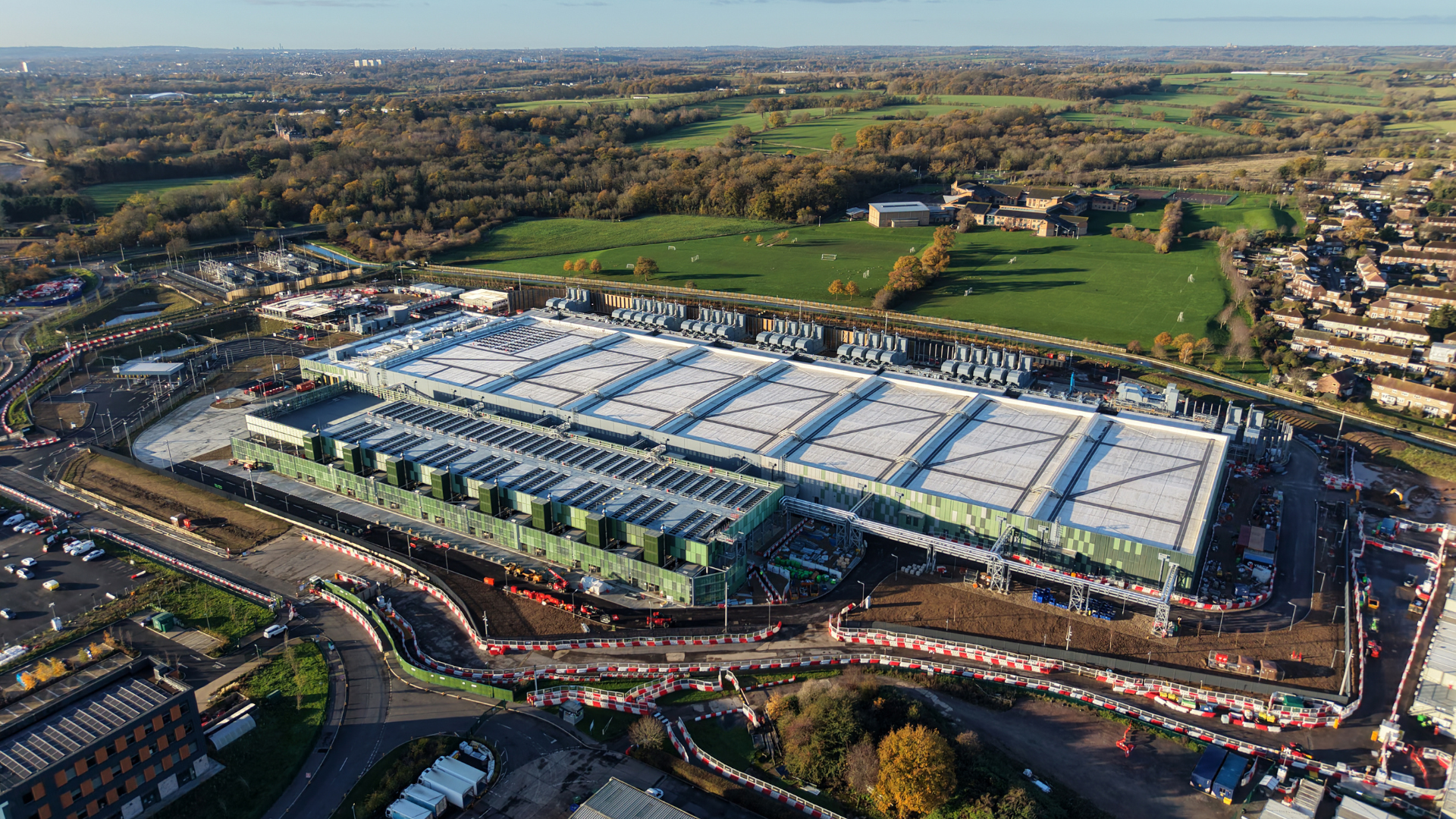
There is a lot of research on this. Exposure to this level of infrasound has negative effects on anxiety, the ability to sleep, and even cardiac function. Those who experience the level exposure associated with living close by to these datacenters can start to experience negative effects on their hearts ability to contract properly after as little as one hour. Take into account these people are exposed to this every hour, hour after hour, for years if not the rest of their natural lives.
You provided none
I don’t recall being asked to. The question was “Is there any research on this?” And I answered the question lol.
Now that you’ve been made aware of the research done on this you can go look it up. Just Google “Infrasound NIH” and I’m sure you’ll figure it out from there.
What level is that?
The article mentions 96 dB for 24 hours a day
It says “these industrial sites” so it’s making a generalization, it says “as high as” so that’s presumably the maximum they measured at one of those many sites. They also talk about high and low frequency sound, so it may not be the infrasound that is “loud” but the high frequency sound, which doesn’t as easily travel through the ground, etc.
Because sound tends to follow an inverse square law, if they measured that 96 dB at 100m from the sound’s source, it could be just 2% of that level at 800m away.
So, that “96 dB” figure needs to be taken with a grain of salt. The figure as actually measured in some person’s home might be a tiny fraction of that amount.
Again, it doesn’t mean there’s no problem, just that it needs some further investigation.